7 Things to Know About PrEP: A Medication That Helps Prevent HIV
Health care visits—whether with a primary care provider, OB-GYN, or
community clinic—are an important opportunity to talk about sexual and
reproductive health. One topic that deserves more routine discussion is HIV
prevention, including the use of medication known as PrEP.
HIV (human immunodeficiency virus) attacks the immune system and
increases the risk of serious infections and illnesses. Without treatment, HIV
can progress to AIDS (acquired immunodeficiency syndrome). HIV is a
lifelong condition, but with modern medicine it is treatable—and,
importantly, largely preventable.
In addition to safer sex practices and harm-reduction strategies, pre-exposure
prophylaxis (PrEP) has become a highly effective option for preventing
HIV. Below are seven key things everyone should know about PrEP.
1. PrEP is highly effective in
preventing HIV
PrEP uses a combination of medications that prevent HIV from
establishing infection in the body. When taken as prescribed, PrEP reduces the
risk of acquiring HIV from sexual exposure by about 99%, and from
injection drug use by at least 74%. Consistent use is essential for
maximum protection.
2. PrEP is for anyone who may be at
risk for HIV
HIV can affect anyone, regardless of age, gender identity, sexual
orientation, or relationship status. PrEP is intended for people who are
HIV-negative and may have an increased risk of exposure to HIV, which is
transmitted through blood, semen, vaginal fluids, rectal fluids, and breast
milk.
Health care providers are encouraged to discuss PrEP with all sexually
active patients. PrEP may be recommended if you:
· Have had anal or
vaginal sex in the past 6 months and:
ü Have a partner living
with HIV
ü Do not consistently
use condoms
ü Have had a recent
sexually transmitted infection (STI)
· Inject drugs and:
ü Share needles or
injection equipment
ü Have an injection
partner living with HIV
· Have taken
post-exposure prophylaxis (PEP) and:
ü Have ongoing risk
factors
ü Have needed PEP more
than once
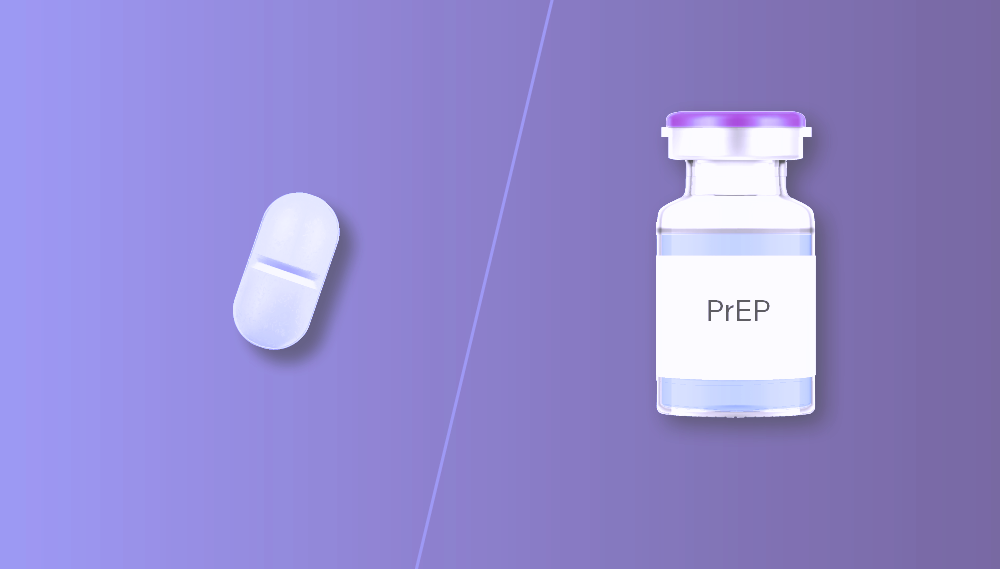
3. PrEP is available as pills or
injections
PrEP was first approved as a once-daily pill. More recently,
an injectable form given every two months has also been
approved. Both options are effective, and the choice depends on individual
preferences, lifestyle, and medical guidance.
PrEP does not provide immediate protection.
- For anal sex,
daily pills reach full effectiveness after about 7 days
- For vaginal sex and
injection drug use, full protection takes about 20 days
· PrEP does not protect
against other STIs or prevent pregnancy, so condoms and appropriate birth
control should still be used when needed.
4. PrEP can be started and stopped
based on need
People may use PrEP during different periods of their lives, depending
on their level of HIV risk. PrEP should only be taken while a person remains
HIV-negative. Anyone considering starting or stopping PrEP should do so with
medical guidance.
While on PrEP, routine follow-up visits—typically every three months—are
recommended. These visits include HIV testing, STI screening, and monitoring
overall health such as kidney function. If PrEP is discontinued, it is advised
to continue for at least one month after the last possible HIV exposure.
5. PrEP pills are safe during pregnancy
and breastfeeding
Research shows that oral PrEP pills are safe to use during
pregnancy and breastfeeding. The injectable form is not currently
recommended during these periods. Pregnant or breastfeeding individuals should
discuss ongoing HIV risk and prevention options with their health care
provider.
6. PrEP does not interfere with hormone
therapy
PrEP does not appear to reduce the effectiveness of hormone therapy.
This includes hormone treatment for menopause as well as gender-affirming
hormone care.
7. PrEP is more accessible and
affordable than ever
Cost was once a major barrier to PrEP access. Today, most private
insurance plans and Medicaid programs cover PrEP and related clinical services.
Assistance programs are also available for individuals who are uninsured or
underinsured.
Prevention Matters
Advances in HIV treatment have transformed outcomes, but prevention
remains essential. Conversations about HIV prevention should be as routine
as discussions about contraception, vaccines, and regular health screenings.
If you think PrEP may be right for you, a health care provider can help
you make an informed decision in a confidential and supportive setting. Open
and honest communication allows providers to offer the best guidance to protect
your health.
At LifeCare Partners Nevada, education, prevention, and
compassionate care are at the center of our mission—because staying informed is
one of the most powerful tools for staying healthy.
Comments (0)
No comments yet. Be the first to comment!
Login to Comment
You must be logged in to leave a comment.