Living With HIV: Steps to Better Health
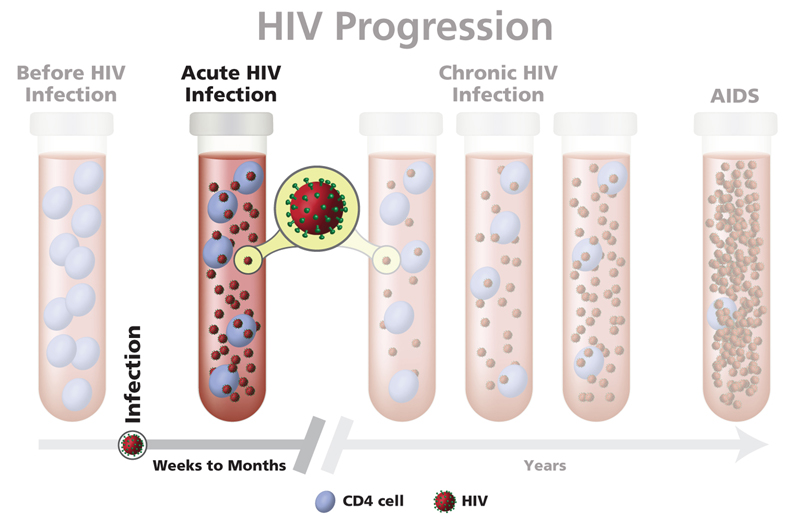
Living with HIV is a lifelong journey, but with the right care and support, people with HIV can live long, healthy, and fulfilling lives. Advances in treatment and greater awareness mean HIV is now a manageable chronic condition for most individuals. The key is early diagnosis, consistent treatment, and healthy daily habits.
Take HIV Treatment as Prescribed
Antiretroviral therapy (ART) is the cornerstone of HIV care. Taking ART exactly as prescribed helps control the virus, protect the immune system, and prevent HIV from progressing to AIDS. When taken consistently, ART can reduce the amount of virus in the body to undetectable levels, which also prevents sexual transmission of HIV.
Keep Regular Health Care Appointments
Routine medical visits are essential for monitoring viral load, immune health, and overall well-being. Regular checkups also allow health care providers to identify and manage side effects, adjust medications if needed, and address other health conditions early.
Stay Physically Active
Daily physical activity supports both physical and mental health. Exercise can improve heart health, strengthen bones and muscles, boost energy, and reduce stress. Activities such as walking, cycling, stretching, or light strength training can be adapted to individual ability levels.
Eat Healthy and Safely Prepared Foods
Good nutrition plays an important role in supporting the immune system. Eating balanced meals with fruits, vegetables, whole grains, lean proteins, and healthy fats helps maintain strength and energy. Safe food preparation is especially important for people with HIV, as foodborne illnesses can be more serious.
Get Recommended Vaccinations
Vaccines help prevent infections that can be more severe in people with weakened immune systems. Staying up to date with recommended vaccinations—such as flu, hepatitis, and pneumonia vaccines—provides added protection and supports long-term health.
Avoid Smoking and Drug Use
Smoking and drug use can weaken the immune system and increase the risk of serious health problems, including heart disease, lung disease, and infections. Avoiding tobacco and recreational drugs improves treatment outcomes and overall quality of life.
Limit Alcohol Consumption
Excessive alcohol use can interfere with HIV medications and damage the liver. Limiting alcohol intake helps protect the body and ensures HIV treatment remains effective.
Practice Safer Sex
Using condoms during sex helps prevent the transmission of HIV and other sexually transmitted infections (STIs). Safer sex practices are an important part of protecting both personal health and the health of partners.
Support Makes a Difference
Living with HIV is not just about physical health—it’s also about emotional and mental well-being. Counseling, peer support, and trusted health care providers can help individuals manage stress, reduce stigma, and stay engaged in care.
With early diagnosis, effective treatment, and healthy lifestyle choices, people living with HIV can thrive. Education, prevention, and consistent care are key to better health and a better quality of life.
Image : clinicalinfo.hiv.govComments (0)
No comments yet. Be the first to comment!
Login to Comment
You must be logged in to leave a comment.