Hepatitis B: Understanding the Global Threat and a Surprising Link to Heart Health
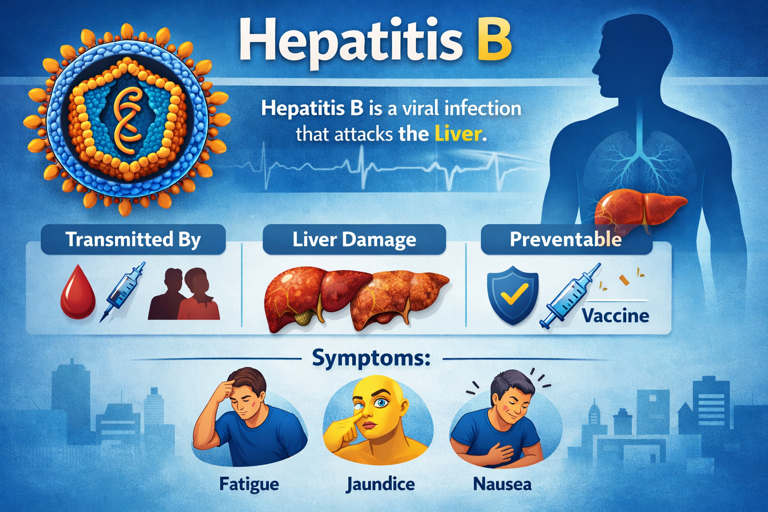
Hepatitis B is a serious liver infection caused by the hepatitis B virus (HBV). For many, it is a short-term illness, but for others, it can become a chronic, lifelong condition that leads to life-threatening issues like cirrhosis or liver cancer. While it is widely known as a liver disease, emerging research has uncovered unexpected connections between the virus and cardiovascular health.
The Basics of Hepatitis B
Hepatitis B is primarily transmitted through contact with infectious blood or body fluids. Common routes of transmission include:
Birth to an infected mother.
Sexual contact with an infected partner.
Sharing needles, syringes, or other drug-injection equipment.
Direct contact with the blood or open sores of an infected person.
The virus attacks the liver cells, causing inflammation. While many adults can clear the virus on their own (acute infection), infants and young children are at a much higher risk of developing a chronic infection.
Symptoms and Progression
Many people with Hepatitis B do not experience symptoms during the acute phase. When symptoms do occur, they can include fatigue, abdominal pain, dark urine, and jaundice (yellowing of the skin or eyes).
Chronic Hepatitis B is often called a "silent killer" because it can remain asymptomatic for decades while slowly damaging the liver. If left untreated, the chronic inflammation can lead to:
Cirrhosis: Extensive scarring of the liver that impairs its function.
Liver Cancer: HBV is a leading cause of hepatocellular carcinoma.
Liver Failure: A life-threatening condition where the liver ceases to function.
A New Dimension: The Link to Atherosclerosis
While the liver is the primary target of HBV, medical research has begun to explore its systemic effects. A significant study published in the journal Circulation by the American Heart Association (Ishizaka et al.) suggests that Hepatitis B carriers may face an increased risk of cardiovascular issues, specifically carotid atherosclerosis.
What the Research Found
Atherosclerosis is the buildup of fats, cholesterol, and other substances in and on the artery walls (plaque), which can restrict blood flow. The study analyzed over 4,600 subjects and found a notable correlation:
Higher Prevalence of Plaque: Hepatitis B surface antigen (HBsAg) positive individuals (carriers) had a significantly higher prevalence of carotid artery plaque (43%) compared to those who were negative (27%).
An Independent Risk Factor: Even after accounting for traditional risk factors like age, smoking, hypertension, and high cholesterol, Hepatitis B remained a statistically significant predictor of arterial plaque.
Why Does This Happen?
Scientists believe that chronic infections may trigger a persistent inflammatory response in the body. This systemic inflammation can damage the lining of the blood vessels, making it easier for plaque to form. While more research is needed to determine if the virus directly invades arterial walls or if the body's immune response is to blame, the link highlights the importance of cardiovascular monitoring for those with chronic HBV.
Prevention and Management
The most effective way to prevent Hepatitis B is through vaccination. The vaccine is highly effective and is typically given as a series of three shots.
For those already living with chronic Hepatitis B:
Regular Monitoring: Routine blood tests and ultrasounds are essential to check liver health and screen for cancer.
Antiviral Medications: While there is no "cure" for chronic HBV, modern medications can suppress the virus, reducing liver damage and the risk of transmission.
Heart Health: Given the potential link to atherosclerosis, carriers should be particularly diligent about managing other cardiovascular risk factors, such as maintaining a healthy blood pressure and monitoring cholesterol levels.
Conclusion
Hepatitis B remains a major global health challenge. However, with the availability of effective vaccines and improving treatments, the burden of the disease can be managed. The discovery that HBV may also impact our arteries serves as a reminder that the health of the liver and the heart are more interconnected than we once thought. For those with HBV, a holistic approach to health—focusing on both liver care and cardiovascular wellness—is key to a long and healthy life.
Comments (0)
No comments yet. Be the first to comment!
Login to Comment
You must be logged in to leave a comment.