Hepatitis C: Understanding the Virus, Its Impact, and Emerging Treatment Approaches
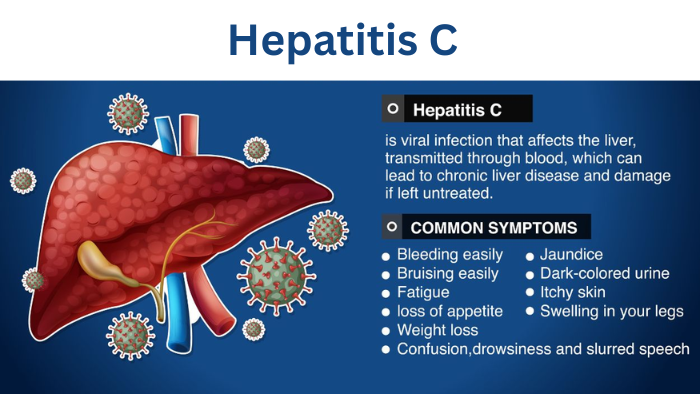
Hepatitis C virus (HCV) is a significant global health
concern, affecting more than 170 million people worldwide. In the United States
alone, millions of individuals are living with HCV, many of whom develop chronic
infection. Chronic hepatitis C is a leading cause of serious liver conditions,
including liver failure.
Current treatments for HCV often focus on targeting specific viral
enzymes to stop the virus from replicating. However, HCV can rapidly mutate,
making it resistant to certain medications. For this reason, combination
therapies—traditionally including interferon—have been used to improve
treatment outcomes. Unfortunately, interferon-based therapies can be costly and
may cause significant side effects, highlighting the need for safer and more
effective treatment options.
How Hepatitis C Affects the Body
HCV is a single-stranded RNA virus that primarily affects the liver.
Once inside the body, it produces proteins that help it replicate and spread.
Some of these proteins form the structure of the virus, while others assist in
its multiplication within liver cells.
A unique characteristic of HCV is its ability to associate with very
low-density lipoproteins (VLDL)—particles that normally transport fats like
cholesterol and triglycerides in the bloodstream. By attaching itself to these
fat-carrying particles, HCV can effectively “hide” from the immune system,
making it more difficult for the body to detect and eliminate the virus.
Why HCV Is Difficult to Eliminate
Because HCV can blend with lipoproteins and circulate in the bloodstream
in different forms, it becomes harder for antibodies and immune defenses to
recognize it. This ability may also explain why developing a fully effective
vaccine has been challenging.
Additionally, HCV uses the liver’s own fat-processing systems to
assemble and release new viral particles. This close relationship between the
virus and the body’s lipid (fat) metabolism plays a key role in how the
infection spreads.
How the Virus Enters Liver Cells
To infect new cells, HCV attaches to specific receptors on liver cells.
One important receptor involved in this process is the low-density
lipoprotein receptor (LDLR), which normally helps the body absorb
cholesterol-carrying particles. Because HCV is associated with lipoproteins, it
can use this pathway to gain entry into liver cells and continue the infection
cycle.
New Directions in Hepatitis C Treatment
Emerging research suggests that targeting the body’s lipid
metabolism—particularly the processes involved in VLDL production—may offer new
ways to treat HCV infection.
Some investigational approaches include:
·
Inhibiting VLDL production: Certain drugs
can block the liver’s ability to produce lipoproteins, which may reduce the
release of HCV particles.
·
Targeting host proteins: Unlike
traditional antiviral drugs, these therapies focus on human proteins rather
than the virus itself, potentially reducing the risk of drug resistance.
·
Short-term treatment strategies: Some therapies
may be effective when used for limited durations, minimizing long-term side
effects.
While these approaches are still under study, they represent promising
steps toward safer and more effective treatments.
Comments (0)
No comments yet. Be the first to comment!
Login to Comment
You must be logged in to leave a comment.