Hepatitis C Virus/HIV Coinfection
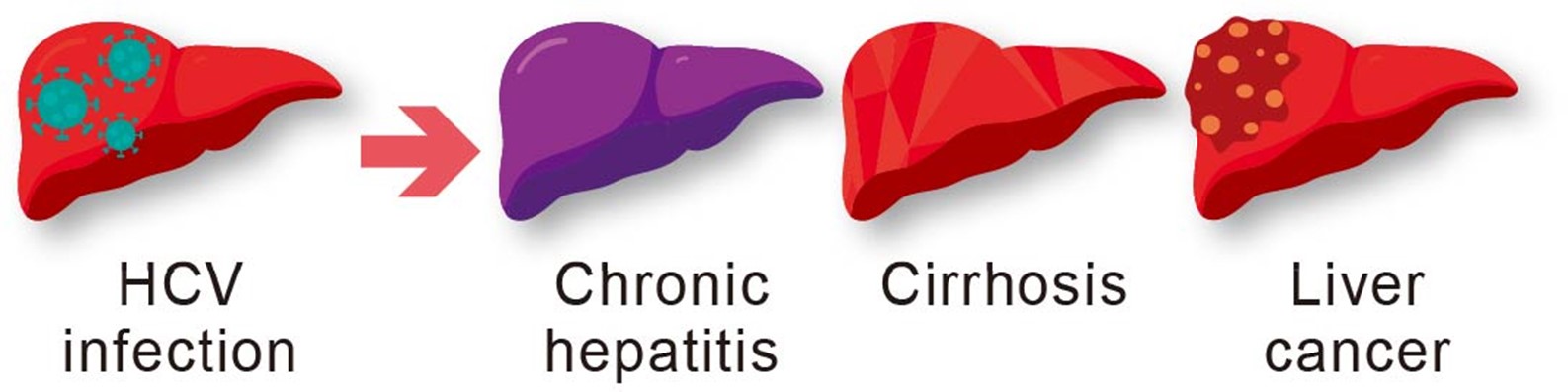
- Hepatitis C virus (HCV) screening should be performed during each pregnancy, ideally at the initial prenatal visit (AIII).
- HCV antibody testing, with confirmatory HCV RNA polymerase chain reaction testing if the antibody test is positive, is recommended for screening (AI).
- HCV screening may be repeated later in pregnancy if the initial test is negative but persistent or new risk factors for HCV are identified (e.g., new or ongoing injection or intranasal substance use) (AIII).
- For those known to be HCV antibody–positive, HCV RNA and liver function tests should be checked at initiation of prenatal care to assess risk of HCV perinatal transmission and severity of liver disease (AIII).
- Currently, treatment of HCV during pregnancy is not recommended because of the lack of safety data on the use of HCV direct-acting antiviral agents during pregnancy. If considering initiating HCV treatment during pregnancy with HCV/HIV coinfection, consultation with an expert in HIV and HCV is strongly recommended (AIII).
- Recommendations for antiretroviral therapy (ART) are the same for all pregnancies with HIV, including in the context of HCV coinfection (AIII).
- For pregnancies with HCV/HIV coinfection and ART use, counseling about the signs and symptoms of liver toxicity should be provided, and hepatic transaminases should be assessed 1 month following initiation of ART and at least every 3 months thereafter during pregnancy (BIII).
- Postpartum HCV treatment with direct-acting antiviral agents should be recommended and offered (AI).
- HCV RNA should be evaluated after giving birth to assess for spontaneous clearance of HCV infection, particularly if initiation of postpartum HCV therapy is under consideration (BII).
- HCV/HIV coinfection is not an independent indication for cesarean birth (see Intrapartum HIV Care) (AIII).
- Infant feeding recommendations for people with HIV/HCV do not differ from recommendations for people with HIV but without HCV.
- Infants exposed to HCV/HIV coinfection during pregnancy or birth should be evaluated for HCV infection (see Hepatitis C Virus Infection in the Guidelines for the Prevention of Opportunistic Infections in Children With and Exposed to HIV, CDC Recommendations for Hepatitis C Testing Among Perinatally Exposed Infants and Children and HVC Guidance: Recommendations for Testing, Managing, and Treating Hepatitis C (AIII).
The management of hepatitis C virus (HCV)/HIV coinfection in pregnancy is complex, and none of the approved HCV direct-acting antivirals (DAAs) have been evaluated fully for use in pregnancy; thus, consultation with an expert in HIV and HCV infection is strongly recommended when offering DAAs during pregnancy.
For additional information on HCV and HIV, see Hepatitis C Virus Infection in the Pediatric Opportunistic Infection Guidelines, Hepatitis C Virus/HIV Coinfection in the Adult and Adolescent Antiretroviral Guidelines, and Hepatitis C Virus in the Adult and Adolescent Opportunistic Infection Guidelines. The American Association for the Study of Liver Diseases (AASLD), the Infectious Diseases Society of America (IDSA), and the International Antiviral Society–USA maintain updated information about treating patients with HCV/HIV coinfection. The guidelines are available online at HCVGuidelines.org.
Screening
HCV screening should be performed during each pregnancy, ideally at the initial prenatal visit. For individuals who are HCV antibody–positive, HCV RNA and liver function tests should be checked at initiation of prenatal care to assess risk of perinatal transmission of HCV and severity of liver disease. Consultation with an expert is recommended for follow-up testing and/or referral for treatment postpartum, as appropriate.
The primary reasons for HCV testing during pregnancy are—
- To identify HCV/HIV coinfection during pregnancy while engaged with the health care system so that HCV treatment can be offered postpartum, ideally before a subsequent pregnancy. In some cases, HCV treatment may be offered during pregnancy, in consultation with HCV experts and after patient counseling and shared decision-making.
- To monitor for HCV-related hepatotoxicity, which has been associated with the use of antiretroviral (ARV) drugs in women with HCV/HIV coinfection.1
- To monitor for preterm birth, which has been associated with HCV/HIV coinfection in pregnant women.2-5
- To ensure appropriate follow-up and evaluation of infants who were exposed to HCV.
The observed prevalence for HCV infection was 2% to 12% in European cohorts of pregnant women with HIV3 and 3.8% among women with HIV in New York State.6 Although data about secular trends in HCV among women with HIV in the United States are limited, the prevalence of HCV among women of childbearing age and children aged <2 years in the general population has increased substantially in recent years, partly because of the ongoing opioid epidemic.4,7-14
The Panel on Treatment of HIV During Pregnancy and Prevention of Perinatal Transmission recommends repeating HCV testing later in pregnancy when initial screening is negative for HCV but persistent or new risk factors for HCV are identified (e.g., new or ongoing use of injected or intranasal substance use).15 The partners of all people with HCV/HIV coinfection should be referred for both HIV and hepatitis counseling and testing to prevent the sexual transmission of HIV and HCV; however, HCV is transmitted infrequently via heterosexual sex. People who do not share injection equipment have a very low risk of horizontal transmission of HCV. Partners who do not have HIV infection should be referred for HIV prevention counseling (see Prepregnancy Counseling and Care).
People with HIV should be screened for hepatitis A virus (HAV), hepatitis B virus (HBV), and HCV on entry into care; HBV and HCV screening should be repeated during each pregnancy.16-18 False-negative anti-HCV immunoassay results can occur in individuals with HIV, but this is uncommon with the more sensitive immunoassays. If HCV infection is suspected despite a negative HCV antibody screen, a commercially available diagnostic quantitative plasma HCV RNA assay can be performed.19,20 Individuals who have a positive HCV antibody test should undergo confirmatory testing with a quantitative plasma HCV RNA assay. Many laboratories now perform reflex RNA testing for individuals who test positive for HCV antibodies. HCV RNA testing is recommended during each pregnancy when serologic results for HCV are indeterminate or negative, but elevated aminotransaminase levels or risk behaviors (e.g., a history of injection drug use) suggest potential infection.20 At the initial prenatal visit, quantitative plasma HCV RNA testing and liver function tests are recommended when HCV antibody positivity is confirmed to assess the risk of transmission of HCV to the infant and severity of liver disease.21
As is recommended for all people with HIV regardless of pregnancy status, but additionally because of the added risk of hepatic decompensation from acute infection with any viral hepatitis, people with HCV infection also should be screened for both HAV and HBV in pregnancy. People with chronic HCV infection who have not already received the HAV vaccine series should be screened for immunity to HAV (either immunoglobulin G [IgG] alone or IgG and immunoglobulin M together). If they screen negative for HAV antibodies, they should receive the HAV vaccine series. Antibody responses to the HAV vaccine should be assessed 1 month after vaccination is complete. If anti-HAV IgG is negative, people should be revaccinated22 when the CD4 T lymphocyte (CD4) cell count is >200 cells/mm3.
People with HCV/HIV coinfection who screen negative for HBV and lack HBV (e.g., hepatitis B surface antibody <10 mIU/mL) should receive the appropriate HBV vaccine series (see Hepatitis B Virus/HIV Coinfection).16
Impact of HCV/HIV Coinfection on Progression and Perinatal Transmission of Both Viruses
Although the HCV viral load tends to rise in the third trimester, pregnancy does not appear to influence the course of HCV infection clinically. People with chronic HCV generally do well during pregnancy, provided that they have not progressed to decompensated cirrhosis.23
HCV Transmission to the Infant
About 5% to 6% of infants born to women with HCV acquire HCV infection.20 In most studies of women with HCV/HIV coinfection who are not receiving treatment for either infection, the incidence of perinatal HCV transmission is approximately twofold higher among women with HCV/HIV coinfection (7% to 20% transmission risk) than among women with HCV mono-infection.24-28 Risk factors for perinatal HCV transmission include HCV viremia and vaginal bleeding before giving birth. The higher transmission rates likely are related to the higher levels of HCV viremia observed in patients with HCV/HIV coinfection and/or other HIV-related impacts on HCV disease activity.2,29,30 Early and sustained control of HIV viremia with antiretroviral therapy (ART), however, could reduce the risk of HCV transmission to infants.31-34 A European study of perinatal HCV transmission found that the use of effective ART for HIV was associated with a trend toward reduced rates of HCV transmission (odds ratio [OR] 0.26; 95% confidence interval [CI], 0.07–1.01).31-34 In an Italian cohort,2 HCV transmission occurred in 9% of infants born to women with HCV/HIV coinfection, most of whom were on ART. No HCV transmissions occurred in infants born to women with HCV viral loads of <5 log IU/mL (approximately 24,000-52,000 copies/mL, depending on the assay). In a re-analysis of data from three prospective European cohorts conducted between 1994 and 2004, HCV transmission rates were estimated as about 24% higher than previously thought, but rates of spontaneous HCV clearance in the children were also higher, resulting in clearance–net transmission rates of 2.4% (1.1% to 4.1%) in women with HCV mono-infection and 4.1% (1.7% to 7.3%) in women with HIV/HCV coinfection.35
HIV Transmission to the Infant
In the absence of ART, maternal HCV/HIV coinfection can increase the risk of perinatal HIV transmission.36,37 The risk of perinatal HIV transmission can be reduced in the context of HCV/HIV coinfection during pregnancy by following the standard recommendations for ART that are in place for all people with HIV.
Impact of HCV on HIV Management
Data are limited on the optimal management of HCV/HIV coinfection in pregnancy. Recommendations on the use of ART during pregnancy for treating HIV and preventing perinatal HIV transmission are the same for people with HCV/HIV coinfection as for those with HIV but without HCV (see Antepartum HIV Care). In one Canadian study, HCV/HIV coinfection was associated with an increased risk of HIV viral load increases near delivery among women who were on previously effective ART. Although the authors suggest that additional factors (e.g., adherence) may have played a role, these findings support the need to follow recommendations for HIV RNA monitoring during pregnancy.38
HCV-Specific Therapy in Pregnancy
Available DAAs have improved HCV therapy dramatically; it is now possible to cure HCV in most patients.39 Current HCV treatment guidelines recommend therapy for nearly all patients with HCV. However, the management of HCV/HIV coinfection during pregnancy is complex.
Several DAA regimens have been approved for the treatment of HCV. At present, all currently available DAAs lack sufficient safety data to be recommended for use during pregnancy, but studies are ongoing, and general considerations for treatment are presented in this section.
When determining the optimal regimen for an individual patient, clinicians must consider many factors, including HCV genotype, prior treatment experience, and stage of liver disease (e.g., compensated or decompensated cirrhosis).
In the remote past, most anti-HCV therapy regimens included both interferon and ribavirin. Interferons are not recommended for use in pregnancy because they are abortifacient at high doses in monkeys and have direct antigrowth and antiproliferative effects.40 Pegylated interferon is now used rarely for treatment of HCV. DAA regimens with ribavirin are indicated for certain patient populations. Any treatment regimens that include ribavirin are contraindicated for use during pregnancy because of the teratogenic and embryocidal effects observed in all animal species exposed to ribavirin. Ribavirin-associated defects in animals include limb abnormalities, craniofacial defects, anencephaly, and anophthalmia. The risk of teratogenicity persists for up to 6 months following ribavirin cessation and also applies to pregnancies of partners of men taking ribavirin.39
DAAs are not yet routinely recommended for use in pregnancy because of the lack of pharmacokinetics (PK) and safety data, although data in pregnancy are becoming more available. One small PK study investigating the use of sofosbuvir/ledipasvir initiated between 23- and 24-weeks’ gestation in eight pregnant women with HCV alone demonstrated 100% virologic suppression, drug levels similar to nonpregnant reference comparisons, and no safety concerns.41 Similarly, a small case series of 15 pregnant women treated with sofosbuvir/ledipasvir reported 100% virologic suppression at 12 weeks and no early safety concerns in the women or their infants.42 An open-label, Phase 1 study of the PK of sofosbuvir/velpatasvir (SOF/VEL) started between 23 and 25 weeks’ gestation reported results in 11 HIV-negative pregnant women with chronic HCV infection. All 10 participants that completed treatment had undetectable HCV RNA at delivery, and all the infants that followed up (n = 7) had undetectable HCV RNA. Nine mothers experienced adverse events related to SOF/VEL; however, only one adverse event was greater than grade 2 (vomiting) and resulted in discontinuation of SOF/VEL. Multicenter studies of SOF/VEL safety and efficacy in pregnancy43 and glecaprevir/pibrentasvir PK and safety in pregnancy and breastfeeding44 are underway.
In the context of HCV/HIV coinfection, DAAs should be started postpartum.39 Limited data to date suggest minimal infant exposure to DAAs from breastmilk.45 Drug interactions exist between the DAA anti-HCV drugs and some ARV drugs that may produce clinically significant changes in serum levels of both ARV drugs and anti-HCV medications. For detailed information on the interactions between ARV drugs and anti-HCV drugs, see the Adult and Adolescent Antiretroviral Guidelines, the Adult and Adolescent Opportunistic Infection Guidelines, HCVGuidelines.org, and the HEP Drug Interaction Checker.
HCV/HIV Coinfection Monitoring During Pregnancy
Hepatic enzyme levels can increase after ART is initiated in people with HCV and HIV—particularly in those with low CD4 counts at treatment initiation—as a result of an immune-mediated flare in HCV disease triggered by immune reconstitution with ART. In patients with HIV, HCV coinfection may increase the hepatotoxic risk of certain ARV agents, specifically protease inhibitors and nevirapine. HCV mono-infection may increase the risk of intrahepatic cholestasis of pregnancy46; this risk also is higher in the context of both HCV and HIV than with HIV alone.3 During pregnancy, HCV and HIV should prompt counseling about the signs and symptoms of liver toxicity, and transaminase levels should be assessed 1 month after initiating ART and then every 3 months. If hepatic toxicity occurs, a clinician may need to consider initiating a less hepatotoxic drug regimen, and, if clinical symptoms or significant elevations of transaminases occur, drugs may need to be discontinued temporarily. Differentiating between drug toxicity and a flare of HCV disease that is associated with immune reconstitution can be difficult; therefore, consulting an expert in HCV and HIV is recommended.
HCV RNA levels can fluctuate during pregnancy and postpartum, with frequent increases in HCV RNA levels during pregnancy followed by a drop in the postpartum period.47 Spontaneous clearance of HCV can occur postpartum.47-50 As a result, the AASLD and the IDSA recommend that women have their HCV RNA reevaluated after birth, particularly if they are being assessed for initiation of therapy with DAA.39
Rates of preterm birth are high in the context of HCV/HIV coinfection. In an Italian cohort of mostly ART-treated women with HCV/HIV coinfection, preterm birth occurred in 41% of women overall. The rate of preterm birth was not significantly different among women with lower or higher HCV RNA levels (29% among women with HCV RNA <5 log IU/mL and 43% among women with HCV RNA >5 log IU/mL). However, women with preterm birth had significantly higher levels of HCV RNA than those who gave birth at term.2 A study of 4,236 pregnant women with HIV reported a higher risk of preterm birth in women with HCV coinfection (OR 3.0; 95% CI, 1.6–5.7) than in women with HIV alone.3 A study of 339 pregnant women from Spain with HIV/HCV coinfection demonstrated a 50% rate of preterm birth.28 Data from the National Inpatient Sample (2010-2020) suggest higher rates of preterm birth and stillbirth, as well as maternal mortality and cirrhosis, for pregnant women with HCV compared with those without HCV.51
Infants born to women with HCV also were more likely to have low birth weights (defined as weighing <2,500 g) than those born to women without HCV (23% vs. 8%, P < 0.01).4
HCV in pregnancy may be associated with increased risks for gestational diabetes, small-for-gestational-age infants, and low birth weight infants.7,52 Although no obstetric guidelines currently suggest more frequent screening for diabetes, preterm birth, or fetal growth during pregnancy with HCV,53 knowledge of these increased risks may inform clinical care.15
Evaluation of Infants Exposed to HCV
Infants exposed to HCV and HIV during pregnancy or birth should be assessed for chronic HCV infection. Guidance for antibody- and polymerase chain reaction-based testing for infants exposed to HCV and HIV do not differ from guidance for infants exposed to HCV alone.20,21,54
Transmission of HCV to the infant is not increased with breastfeeding.55 Recommendations on infant feeding for people with HIV/HCV do not differ from recommendations for people with HIV but without HCV. For guidance about infant feeding for people with HIV, see Preventing HIV Transmission During Infant Feeding.
Credit : clinicalinfo.hiv.gov/
Comments (0)
No comments yet. Be the first to comment!
Login to Comment
You must be logged in to leave a comment.