HIV and Dietary Supplements
Key Points
-
Dietary supplements are manufactured products intended to help prevent nutrient deficiencies or support overall health.
-
Some supplements may help reduce certain HIV-related symptoms or side effects from HIV medicines.
-
Not all supplements are safe—some can interact with HIV medications, lowering treatment effectiveness or worsening side effects.
What Are Dietary Supplements?
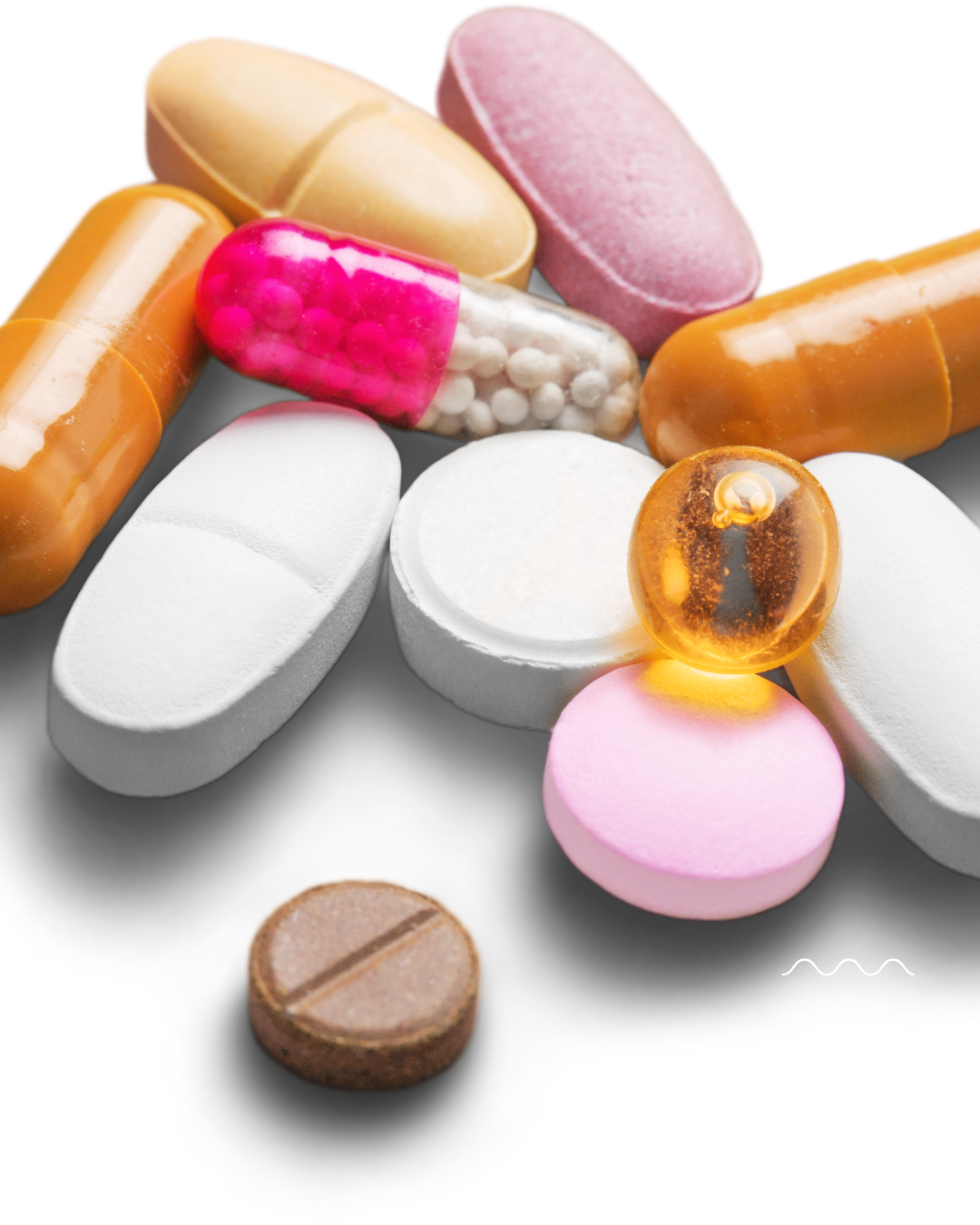
Dietary supplements are manufactured products designed to support health or nutrition. They come in many forms, including tablets, capsules, gels, liquids, powders, and gummies. Depending on their ingredients, supplements may help address nutritional gaps or specific health needs.
While many nutrients are available through food, supplements can be a convenient option for people who have difficulty planning meals, preparing certain foods, eating consistently, or preventing food spoilage.
Common types of dietary supplements include:
-
Vitamins: Vitamin A, Vitamin C, Vitamin E
-
Minerals: Calcium, zinc, iron
-
Botanicals/Herbs: Echinacea, oregano, turmeric
-
Botanical compounds: Caffeine, CoQ10, curcumin
-
Live microbials: Probiotics
-
Amino acids: Branched-chain amino acids, essential amino acids, glutamine, leucine
People often take supplements based on their advertised benefits—for example, calcium for bone strength. However, not all supplements work as claimed. The NIH Dietary Supplement Fact Sheets can help determine whether a supplement is safe and effective.
Important Note: Although the U.S. Food and Drug Administration (FDA) regulates dietary supplements, it does not approve them for safety or effectiveness before they reach the market. Because of limited pre-market regulation, consumers should take extra steps to reduce the risk of unsafe products.
To choose safer options, look for supplements certified by third-party organizations such as the National Sanitation Foundation or The United States Pharmacopeial Convention. These organizations verify product contents and quality. Choosing well-established brands with a proven safety record is also recommended.
What Dietary Supplements Should You Take If You Have HIV?
Dietary supplements should only be used to address specific nutrient deficiencies or health needs. The decision to take supplements should always be made on an individual basis and in consultation with a health care provider—whether or not you have HIV.
People with HIV may experience symptoms or side effects related to HIV infection or antiretroviral therapy (ART), such as:
-
Rash
-
Diarrhea
-
Fatigue
-
Depression
Pregnant individuals with HIV may also have a higher risk of preterm delivery or low birth weight infants.
Some supplements studied specifically in people with HIV include:
-
Curcumin: May help reduce symptoms such as diarrhea
-
Folate: May lower the risk of preterm birth
-
N-acetylcysteine and glutathione: Unlikely to significantly affect HIV-related outcomes
-
Selenium: May reduce the risk of preterm delivery during pregnancy
-
Vitamin A: May reduce diarrhea and improve infant survival; may lower the risk of serious illness during pregnancy
-
Vitamin D: Unlikely to significantly affect HIV-related outcomes
-
Zinc: May improve overall health and reduce diarrhea, though evidence is mixed
Additional supplements may help manage health concerns more common in people with HIV:
-
Low bone density: Calcium, Vitamin D
-
Skin rash: Omega-3 oils (fish oils), Vitamin E
-
Digestive discomfort: Probiotics
-
Weight gain: Caffeine
-
Weight loss: Protein and amino acids
Even if a supplement may be helpful, it is essential to consult a health care provider first, as some supplements can interfere with HIV medications.
How Are Dietary Supplements Different If You Have HIV?
For people with HIV, dietary supplements may be used to help manage health issues related to HIV infection or HIV medicines. These may include weakened immunity, bone loss, liver or kidney problems, digestive issues, mental health concerns, or nutrient deficiencies.
Some HIV medications can contribute to specific health problems. For example:
-
Tenofovir disoproxil fumarate (TDF): Linked to bone and kidney issues
-
Integrase strand transfer inhibitors (INSTIs): May interfere with the absorption of minerals such as calcium and iron
If you also take medications for other conditions (such as heart disease), supplements can further complicate how medicines interact in the body. Because dietary supplements can cause drug interactions, medical guidance is critical before starting any new product.
What Dietary Supplements Should You Avoid If You Have HIV?
The safety of supplements depends on your overall health, HIV treatment, other medications, and diet. Some supplements are known to interact with HIV medicines and should generally be avoided.
Supplements with documented interactions include:
-
Cations (calcium, magnesium, aluminum): May reduce the effectiveness of INSTI-class HIV medicines
-
Probiotics: May cause gastrointestinal issues
-
St. John’s Wort: Can interact with protease inhibitors and non-nucleoside reverse transcriptase inhibitors
-
Vitamin A: High doses or use with certain medicines may increase the risk of liver damage
Some supplements may contain these ingredients without clearly listing them on the front label. For example, “super green” supplements may contain high levels of vitamin A, and antacids like Tums may contain large amounts of cations.
For more details, see the HIVinfo What Is a Drug Interaction? fact sheet.
Tips for Taking Dietary Supplements If You Have HIV
Dietary supplements can support health when used properly. If you have HIV, always talk with a health care provider before starting a supplement.
Additional tips include:
-
Read labels carefully: Look for instructions, warnings, and allergens
-
Plan around meals: Some supplements must be taken with food, others on an empty stomach
-
Schedule intake properly: Taking supplements too often or too rarely can affect safety and effectiveness
-
Follow recommended doses: Incorrect dosing can reduce benefits or cause harm
-
Monitor your body’s response: Pay attention to side effects or changes in how you feel
Being informed and cautious can help ensure supplements are both safe and beneficial.
Sources
This fact sheet is based on information from:
U.S. Food and Drug Administration (FDA):
-
FDA 101: Dietary Supplements
-
Mixing Medications and Dietary Supplements Can Endanger Your Health
NIH Office of Dietary Supplements:
-
Dietary Supplements for Immune Function and Infectious Diseases
-
Dietary Supplements: What You Need to Know
-
Dietary Supplement Fact Sheets
Article Credit: hivinfo.nih.gov
Comments (0)
No comments yet. Be the first to comment!
Login to Comment
You must be logged in to leave a comment.