HIV Education & Awareness
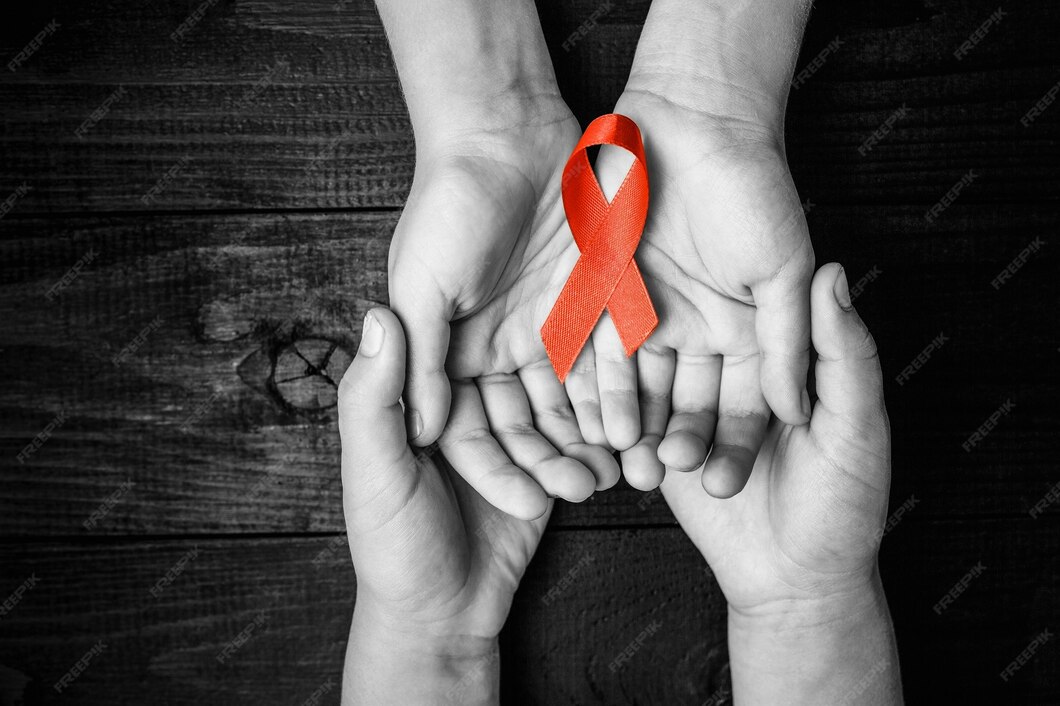
Why Knowing Your HIV Status Is Important
Knowing your HIV status is a key step in protecting your health and the health of others.
- Early diagnosis allows individuals to access medical care, treatment, and support services before symptoms appear.
- People who know they are living with HIV can take steps to reduce the risk of transmission to others.
- Many people with HIV feel healthy and may not show symptoms for months or years, making testing the only reliable way to know.
Understanding HIV Testing Timelines
HIV tests may not detect infection immediately after exposure.
- Most individuals develop detectable antibodies within three months, with an average of about 25 days.
- In rare cases, it may take up to six months.
- A negative result soon after exposure does not always rule out infection.
If exposure is a concern, repeat testing at the appropriate time is important.
Getting Tested
Many people living with HIV are unaware of their status because early infection may not cause noticeable symptoms.
Some individuals experience short-term symptoms such as:
- Fever
- Rash
- Joint pain
- Swollen lymph nodes
When symptoms occur, they typically appear 1 to 6 weeks after infection.
The Centers for Disease Control and Prevention (CDC) recommends:
- At least one HIV test for everyone ages 13–64
- More frequent testing for individuals at higher risk
LifeCare Partners Nevada provides education, counseling, and referrals to support informed testing decisions.
.jpg)
Reducing Your Risk for HIV
Education and prevention play an essential role in reducing HIV transmission.
Ways to reduce risk include:
- Using condoms correctly and consistently during vaginal, anal, or oral sex
- Using water-based lubricants, as oil-based products may weaken latex condoms
- Getting tested regularly for HIV and other sexually transmitted infections (STIs)
- Cleaning sex toys thoroughly and using a new condom for each partner
- Understanding that untreated STIs can increase the risk of acquiring HIV
Prevention Options: PrEP and PEP
Pre-Exposure Prophylaxis (PrEP)
A daily medication for people at increased risk that can reduce the chance of HIV infection by more than 90% when taken consistently.
Post-Exposure Prophylaxis (PEP)
A medication taken within 72 hours (3 days) after a high-risk exposure that can help reduce the likelihood of HIV infection.
Learning about these options helps individuals make informed prevention choices.
Everyday Facts About HIV
- HIV is not spread through casual contact such as hugging, shaking hands, sharing toilets, or drinking from the same glass.
- HIV is not spread through kissing.
- A person with HIV may appear healthy and still be able to pass the virus to others, particularly during early infection.
- Testing is the only way to know one's HIV status.
Learn More
Trusted educational resources include:
- www.ashasexualhealth.org
- www.iwannaknow.org
- www.quierosaber.org
- www.nccc-online.org
- www.askexpertsnow.com
- www.YESmeansTEST.org
Content Credit
Educational information provided with reference to materials from the American Sexual Health Association (ASHA) and public health guidance from the Centers for Disease Control and Prevention (CDC).
Comments (0)
No comments yet. Be the first to comment!
Login to Comment
You must be logged in to leave a comment.