PrEP Education & Prevention Support
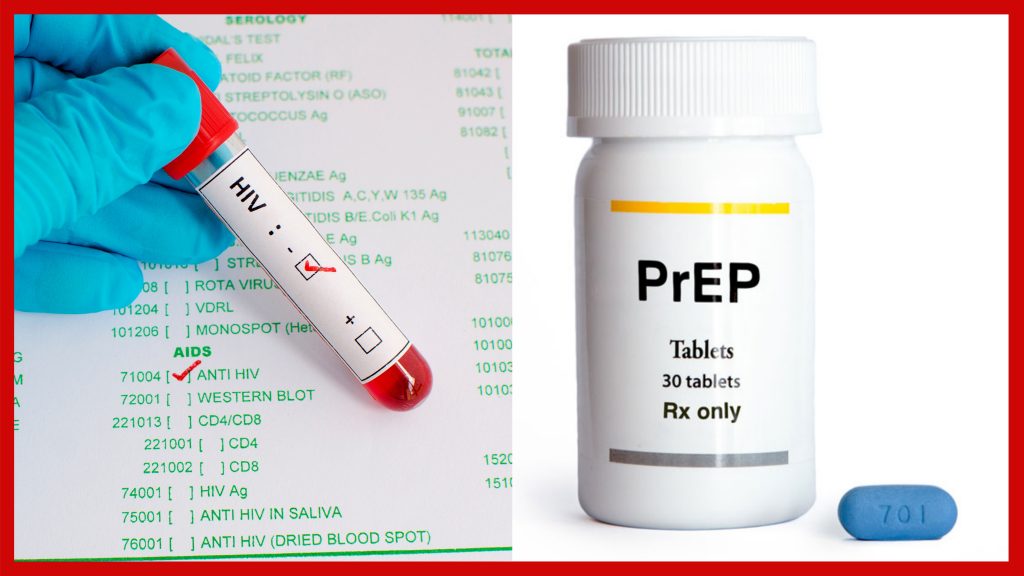

Understanding PrEP as a Prevention Option
Pre-Exposure Prophylaxis (PrEP) is a proven prevention strategy for people who may be at higher risk of HIV exposure. When taken as prescribed, PrEP significantly reduces the chance of acquiring HIV and is an important tool in comprehensive sexual health care.
PrEP is most effective when combined with regular testing, follow-up care, and ongoing education.
How PrEP Is Used
Most people take PrEP as a once-daily pill. Taking PrEP consistently is essential for it to work effectively.
Research shows that:
- Daily PrEP can reduce the risk of HIV from sexual exposure by more than 90%
- For people who inject drugs, PrEP can reduce risk by over 70%
PrEP works best as part of a broader prevention plan that includes testing and safer sex practices.

On-Demand (Event-Driven) PrEP
On-demand PrEP, sometimes called "event-driven" or "intermittent" PrEP, is a dosing method that follows a 2-1-1 schedule:
- 2 pills taken 2–24 hours before sex
- 1 pill taken 24 hours after the first dose
- 1 pill taken 24 hours after the second dose
Studies have shown this approach to be effective for cisgender men who have sex with men. On-demand PrEP is not currently included in CDC PrEP guidelines for all populations, so anyone interested should discuss this option with a healthcare provider.
Safety and Side Effects
PrEP is considered safe for most people.
Some individuals may experience mild side effects such as:
- Nausea
- Headache
- Vomiting
- Temporary loss of appetite
These effects often go away over time. Rarely, PrEP may affect kidney function, but any changes are usually minor and reversible. Healthcare providers routinely monitor kidney health during PrEP use.
Anyone experiencing persistent or severe side effects should speak with a healthcare provider.
Who May Benefit from PrEP
PrEP may be appropriate for people who:
- Have a sexual partner with HIV
- Do not consistently use condoms
- Have been diagnosed with an STI in recent months
- Share injection equipment
- Are concerned about ongoing or repeated exposure risks
A healthcare provider can help determine whether PrEP is the right choice based on individual needs.
Getting PrEP: Prescriptions, Testing, and Follow-Up
PrEP requires a prescription and ongoing care.
Before starting PrEP, a healthcare provider will:
- Confirm HIV-negative status
- Review medical history
- Order baseline lab tests
While taking PrEP, individuals commit to:
- Taking medication as prescribed
- Routine HIV and STI testing
- Regular follow-up visits
LifeCare Partners Nevada supports individuals through education, referrals, and navigation of prevention services.
Paying for PrEP
Many health insurance plans cover PrEP. For those without insurance or with limited coverage, assistance programs are available.
Support resources include:
- Ready, Set, PrEP – provides PrEP at no cost for eligible individuals
Visit: readysetprep.hiv.gov - Patient Assistance Programs (PAPs) for prescription support
- Local health centers and health departments that assist with PrEP access
Learn More
Additional trusted education and support resources:
- www.ashasexualhealth.org
- www.iwannaknow.org
- www.quierosaber.org
- www.nccc-online.org
- www.askexpertsnow.com
- www.YESmeansTEST.org
Content Credit
Educational information provided with reference to materials from the American Sexual Health Association (ASHA) and public health guidance from the Centers for Disease Control and Prevention (CDC).
Comments (0)
No comments yet. Be the first to comment!
Login to Comment
You must be logged in to leave a comment.