Protecting Yourself and Your Baby from Sexually Transmitted Infections
Why STI Education Matters During Pregnancy
Pregnancy is a time when health decisions have a direct impact on both the parent and the baby. Learning about sexually transmitted infections (STIs) and following recommended testing and care can help prevent serious health complications.
Some STIs can:
- Increase the risk of premature birth
- Be passed to a baby during pregnancy or childbirth
- Cause serious health problems in newborns
The more informed you are, the better prepared you are to protect yourself and your baby.
STI Testing During Pregnancy
Many STIs do not cause noticeable symptoms. Testing is often the only way to know if an infection is present.
Health authorities recommend certain STI tests during pregnancy because early detection allows treatment that can reduce risks to both parent and baby.
The Centers for Disease Control and Prevention (CDC) recommends testing during the first prenatal visit for:
- Syphilis
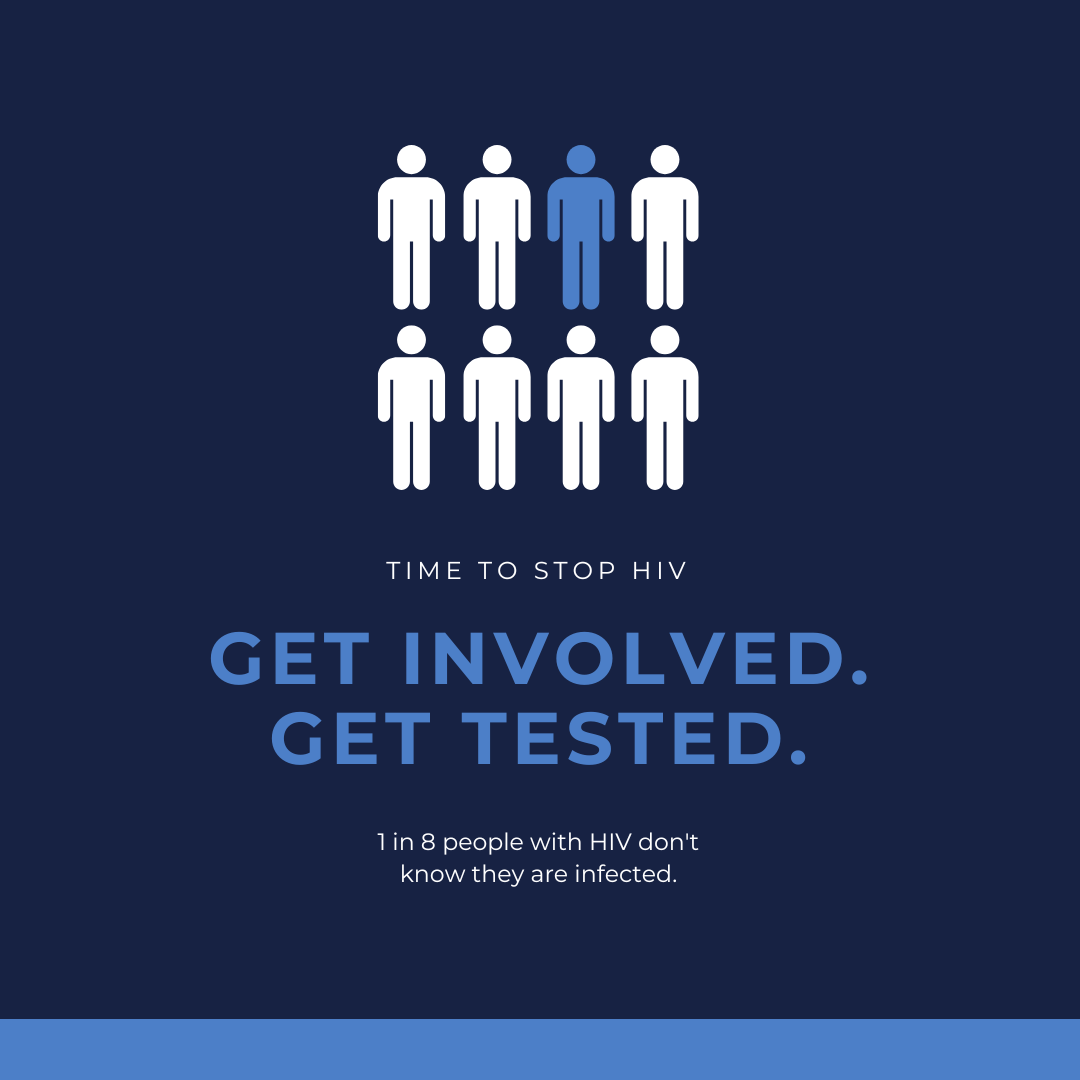
- HIV
- Hepatitis B
Additional testing may be recommended based on age, risk factors, or symptoms.
Understanding Testing and Retesting
- You can have an STI even if you have had sex only once.
- You can get the same STI again if a partner has not been treated.
- If you have unprotected sex during pregnancy, additional testing may be needed.
Regular testing helps ensure infections are identified and managed early.
STIs and Pregnancy: What to Know
Some infections can affect pregnancy and newborn health if not treated. Early testing and appropriate care significantly reduce these risks.
- Syphilis can cause serious complications in newborns, but treatment during pregnancy can prevent transmission.
- Hepatitis B can be passed during childbirth; newborns can receive treatment shortly after birth to reduce long-term complications.
- Herpes (HSV) testing is not routinely recommended for everyone, but people with a history of genital herpes should discuss management options with their healthcare provider.
If you have concerns or symptoms, your healthcare provider can guide next steps.
Staying Healthy During Pregnancy
Maintaining overall health is an important part of STI prevention and management.
Healthy habits include:
- Getting recommended STI tests
- Eating a balanced diet
- Getting enough rest and physical activity
- Attending regular prenatal visits
- Reporting any unusual symptoms such as itching, discharge, sores, or rashes
Early communication with a healthcare provider helps ensure prompt care when needed.
Prevention and Risk Reduction
Education and prevention can greatly reduce the risk of STI transmission.
Key prevention strategies include:
- Using condoms consistently and correctly
- Getting tested regularly
- Ensuring partners are tested and treated when necessary
- Avoiding sharing needles or injection equipment
- Following medical advice if diagnosed with an STI
Learn More
Trusted educational resources include:
- www.ashasexualhealth.org
- www.iwannaknow.org
- www.quierosaber.org
- www.nccc-online.org
- www.askexpertsnow.com
- www.YESmeansTEST.org
Content Credit
Educational information provided with reference to materials from the American Sexual Health Association (ASHA) and public health guidance from the Centers for Disease Control and Prevention (CDC).
Comments (0)
No comments yet. Be the first to comment!
Login to Comment
You must be logged in to leave a comment.