Schedule Appointment
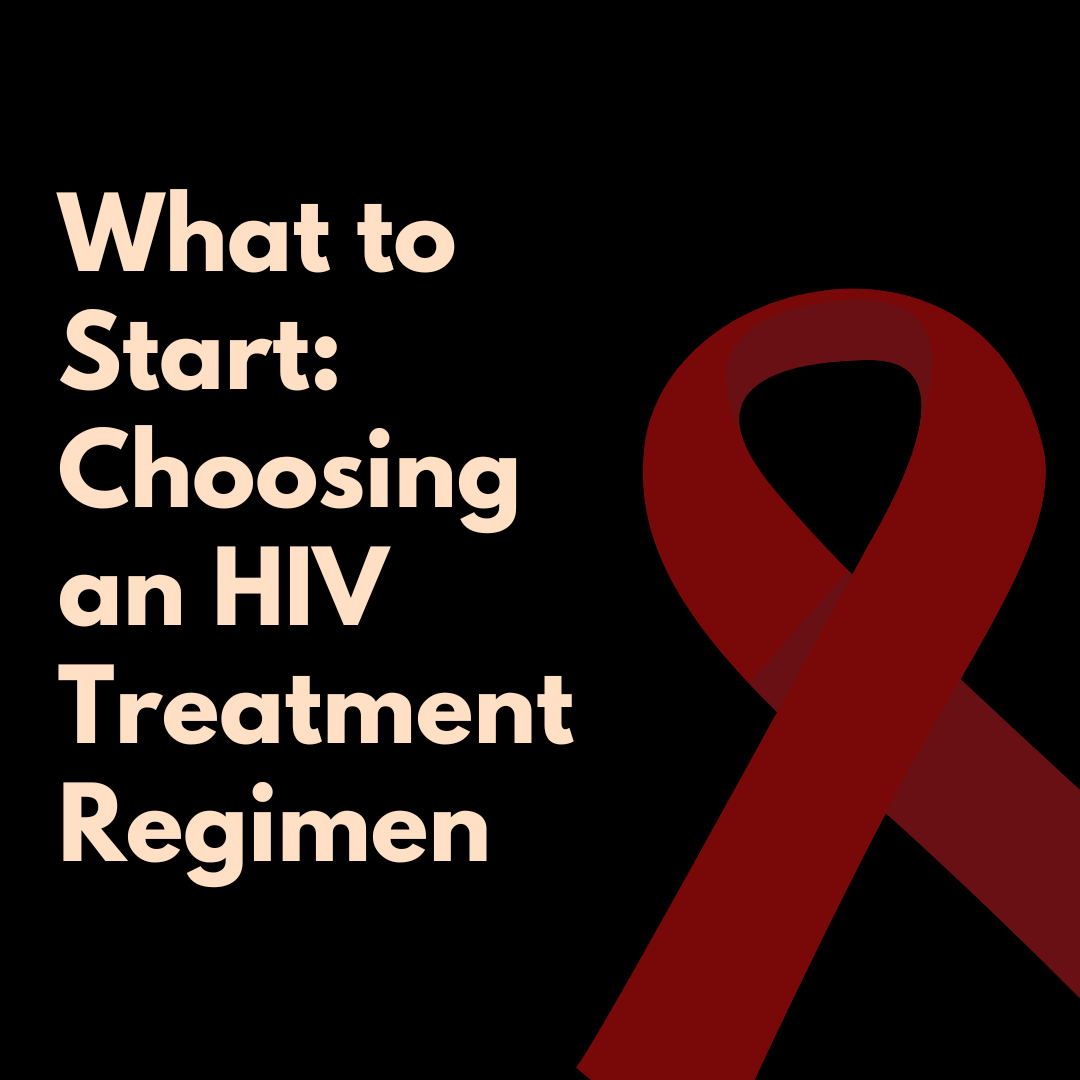
Understanding HIV Treatment: An Educational Guide
LifeCare Partners

Understanding HIV Treatment: An Educational Guide

Living with HIV—or learning you have HIV—can feel overwhelming at first. It raises questions not only about the virus itself, but about what treatme...

Understanding HIV Treatment: An Educational Guide

Living with HIV—or learning you have HIV—can feel overwhelming at first. It raises questions not only about the virus itself, but about what treatment means, how it works, and how it changes the wa...

49 views
Read Full Article
The Basics of HIV Prevention
LifeCare Partners

The Basics of HIV Prevention

HIV transmission is only possible if these fluids come in contact with a mucous membrane, an open cut or sore, or are directly injected into the bloodstream (from a contaminated needle or syringe).

The Basics of HIV Prevention

HIV transmission is only possible if these fluids come in contact with a mucous membrane, an open cut or sore, or are directly injected into the bloodstream (from a contaminated needle or syringe).

5 views
Read Full Article
7 Things to Know About PrEP: A Medication That Helps Prevent HIV
LifeCare Partners

7 Things to Know About PrEP: A Medication That Helps Prevent HIV

Health care visits—whether with a primary care provider, OB-GYN, or community clinic—are an important opportunity to talk about sexual and reproduct...

7 Things to Know About PrEP: A Medication That Helps Prevent HIV

Health care visits—whether with a primary care provider, OB-GYN, or community clinic—are an important opportunity to talk about sexual and reproductive health. One topic that deserves more routine d...

4 views
Read Full Article
Understanding How HIV is Transmitted
LifeCare Partners

Understanding How HIV is Transmitted

HIV is most commonly spread through unprotected vaginal or anal sex. According to the Centers for Disease Control and Prevention (CDC), sexual contact accounts for at least 89 percent of all new HIV diagnoses.

Understanding How HIV is Transmitted

HIV is most commonly spread through unprotected vaginal or anal sex. According to the Centers for Disease Control and Prevention (CDC), sexual contact accounts for at least 89 percent of all new HIV diagnoses.

5 views
Read Full Article
PrEP Education & Prevention Support
LifeCare Partners

PrEP Education & Prevention Support

Pre-Exposure Prophylaxis (PrEP) is a proven prevention strategy for people who may be at higher risk of HIV exposure. Learn how PrEP works, who may benefit, and how to access it.

PrEP Education & Prevention Support

Pre-Exposure Prophylaxis (PrEP) is a proven prevention strategy for people who may be at higher risk of HIV exposure. Learn how PrEP works, who may benefit, and how to access it.

497 views
Read Full Article
HIV Education & Awareness
LifeCare Partners

HIV Education & Awareness

Knowing your HIV status is a key step in protecting your health and the health of others. Learn about HIV testing timelines, prevention options, and why regular testing matters.

HIV Education & Awareness

Knowing your HIV status is a key step in protecting your health and the health of others. Learn about HIV testing timelines, prevention options, and why regular testing matters.

371 views
Read Full Article
Protecting Yourself and Your Baby from Sexually Transmitted Infections
LifeCare Partners

Protecting Yourself and Your Baby from Sexually Transmitted Infections

Pregnancy is a time when health decisions have a direct impact on both the parent and the baby. Learn about STI testing during pregnancy and how to protect yourself and your baby.

Protecting Yourself and Your Baby from Sexually Transmitted Infections

Pregnancy is a time when health decisions have a direct impact on both the parent and the baby. Learn about STI testing during pregnancy and how to protect yourself and your baby.

563 views
Read Full Article
Post-Exposure Prophylaxis (PEP)
LifeCare Partners

Post-Exposure Prophylaxis (PEP)

PEP stands for post-exposure prophylaxis. The word “prophylaxis” means to prevent or control the spread of an infection or disease. PEP refers to the use of HIV medicines to prevent HIV infection within 72 hours (3 days) after a possible exposure.

Post-Exposure Prophylaxis (PEP)

PEP stands for post-exposure prophylaxis. The word “prophylaxis” means to prevent or control the spread of an infection or disease. PEP refers to the use of HIV medicines to prevent HIV infection within 72 hours (3 days) after a possible exposure.

1 views
Read Full Article