What is PrEP? A Simple Guide to HIV Prevention
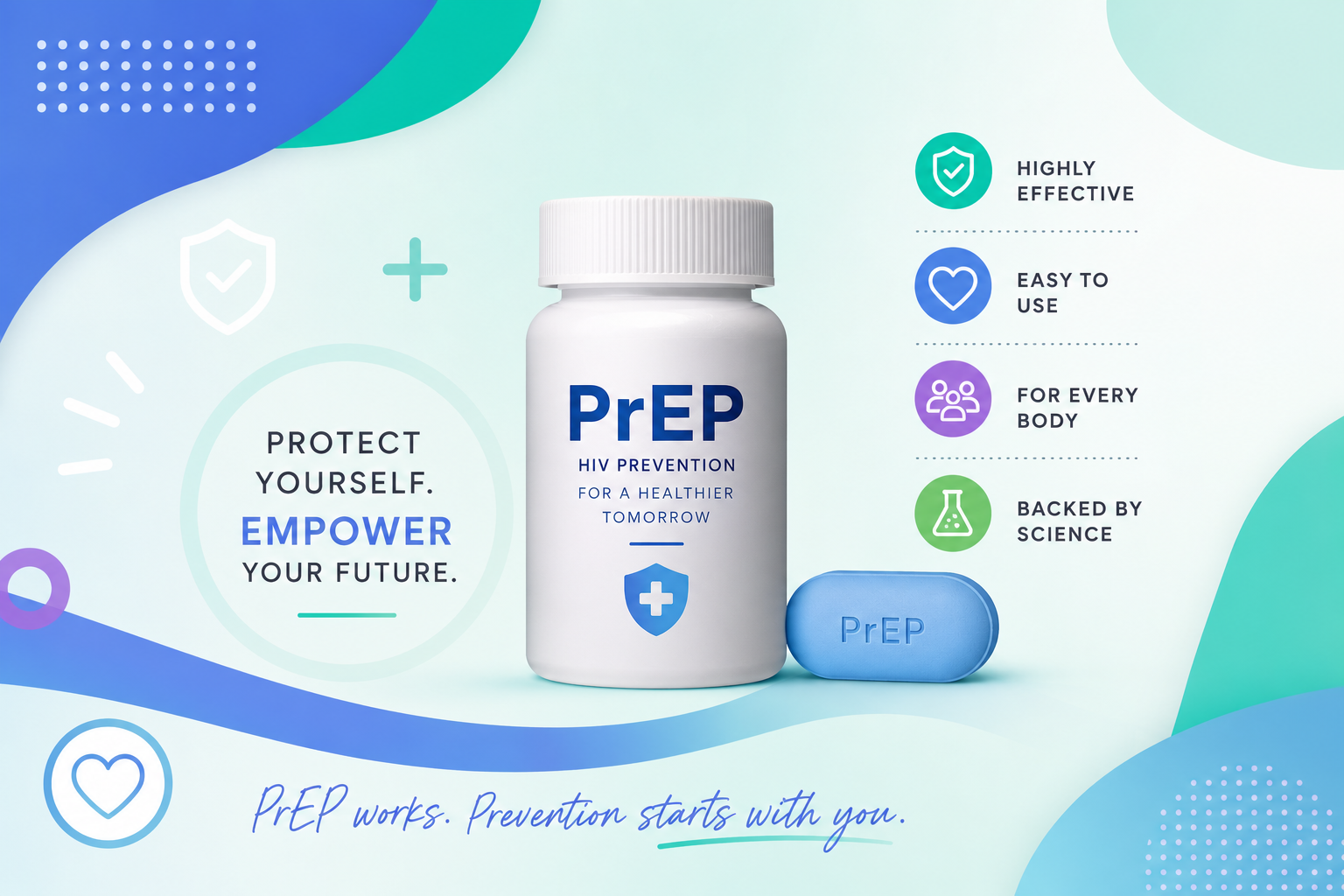
Protecting your health starts with knowing your options. Pre-exposure prophylaxis, also known as PrEP, is one of the most effective tools available to prevent HIV infection. Whether you’re learning about PrEP for the first time, or considering whether it’s the right choice for you, understanding how it works can help you make informed decisions about your sexual health.
At LifeCare Partners, we believe everyone deserves access to accurate information, compassionate care, and effective HIV prevention services. What is PrEP?
PrEP
( Pre-Exposure Prophylaxis) is a medication taken by people who do not have
HIV in order to lower their risk of becoming infected with the virus.
There
are two main ways to take PrEP:
1. A daily pill (such as Truvada or Descovey)
2. A long-acting injection (Apertude) given by a
healthcare provider every two months.
Your provider can help determine which option is best for your lifestyle and health needs.
How Effective Is PrEP?
PrEP
is one of the most effective HIV prevention methods avaliable.
According
to Centers for Disease Control and Prevention (CDC):
● Daily PrEP reduces the risk
of getting HIV thorugh sex by about 99% when taken as prescribed.
● For people who inject drugs, PrEP reduces HIV risk by at least 74% with consistent use.
Who Should Consider PrEP?
PrEP
may be right for you if you:
● Have a partner living with
HIV.
● Have multiple sexual
partners.
● Don’t always use condoms.
● Have recently been diagnosed
with another STI.
● Share injection equipment.
● Recently needed Post-Exposure
Prophylaxis (PEP).
● Simply want extra protection
against HIV.
PrEP
is for anyone who may be at risk, not just one specific group of people.
What Happens Before Starting PrEP?
Before
prescribing PrEP, your healthcare provider will perform a few routine tests to
make sure it’s safe for you:
These
usually include:
● An HIV test
● Kideny functioning testing
(for oral PrEP)
● Hepatitisi B screening
● STI screening
Are There Side Effects?
Most
people tolerate PrEP very well, but within the first weeks, some people
experience mild side effects such as:
● Nausea
● Headache
● Fatigue
● Mild stomach discomfort
These symptoms are usually temporary and improve on their own. Your healthcare provider will monitor your health during routine follow-up visits.
FAQ’s and Common Myths
about PrEP:
Myth: PrEP is only for gay men.
Fact: Anyone at risk for HIV can
benefit from PrEP, regardless of gender or sexual orientation.
Myth:
Taking PrEP means you have HIV.
Fact:
PrEP is specifically for people who do not have HIV.
Myth:
PrEP protects against all sexually transmitted infections.
Fact:
PrEP only prevents HIV. It does not protect against infections such as
chlamydia, gonorrhea, syphilis, or herpes. Condoms remain an important part of
safer sex.
Do I still need condoms?
Yes.
PrEP protects against HIV but does not prevent most other STIs or pregnancy.
Can I stop taking PrEP?
Possibly.
If your HIV risk changes, talk with your healthcare provider before stopping
PrEP.
Is PrEP covered by insurance?
Many insurance plans cover PrEP, and financial assistance programs are available for many people without insurance.
The Bottom Line
PrEP
has changed the way we prevent HIV. When taken as prescribed, it offers
powerful protection and gives many people greater confidence and peace of mind.
If you think PrEP may be right for you, or if you simply have questions, LifeCare Partners is here to help. Our team provides confidential HIV prevention services, testing, and personalized guidance to help you choose the prevention plan that fits your needs.
Credit Sources:
● Centers for Disease Control and Prevention. Clinical Guidance for PrEP (HIV Nexus). https://www.cdc.gov/hivnexus/hcp/prep/index.html
● Centers for Disease Control and Prevention. Preventing HIV with PrEP. https://www.cdc.gov/hiv/prevention/prep.html
Comments (0)
No comments yet. Be the first to comment!
Login to Comment
You must be logged in to leave a comment.